Archangels Michael, Gabriel, and Raphael in the Bible
Thematic Summary
The archangels in the Bible — Michael, Gabriel, and Raphael — are divine emissaries, not independent spiritual entities. The Hebrew term mal'akh (מַלְאָךְ) means 'messenger sent on mission,' sharing its root with mela'khah (work). Michael ('Who is like God?') leads the heavenly army (Dan 10:13; Rev 12:7); Gabriel ('Strength of God') announces divine decrees (Luke 1:26–38); Raphael ('God heals') guides and heals in Tobit (Tob 12:15). Only Michael receives the title 'archangel' in canonical Scripture (Jude 9; 1 Thess 4:16). The guardian angel tradition rests on Matthew 18:10 and Qumran texts (1QS 3:20–24). Each archangel name is a confession of faith in the one God who sends them — not a divine title for adoration. Together they testify that biblical angelology is a theology of divine sovereignty, not a parallel spiritual pantheon.
Who Are the Angels in the Bible: Mal'akh and Messengers of God
The Mal'akh in the Bible: A Messenger, Not a 'Good Spirit'
In popular imagination, angels in the Bible appear as ethereal figures of indeterminate goodness. The Hebrew text corrects this reading: מַלְאָךְ (mal'akh) shares its root with מְלָאכָה (mela'khah, work/mission), designating an agent sent for a precise task. The Greek ἄγγελος (angelos) preserves the same functional profile: messenger, not autonomous entity. This semantic precision is not marginal — it structures the entire biblical angelology.
The creation of the angels precedes that of humanity: when YHWH laid the foundations of the earth, "the sons of God shouted for joy" (Job 38:7). The Book of Jubilees (2:2, 1st c. BCE) specifies that they were created on the first day. Second Temple Judaism — Pharisaic, Qumranic, Hellenistic — unanimously attested this pre-existence, while the Sadducees, denying angels and spirits, deviated from traditional teaching (Acts 23:8; Mishnah Chagigah 2:1).
Concrete Functions of Angels in the Old Testament
Angels in the OT do not decorate the scene: they execute specific divine commands. A list of attested roles:
- Healers and guides — they accompany the pilgrim on the concrete journey (Tob 5:4–6)
- Liturgical intercessors — they bring the tefillot before God's throne in the holy tongue (Talmud Sotah 33a; Rev 8:3–4): each mal'akh operates as an officer of the beit din shel ma'alah (heavenly court) — a juridical-liturgical structure mirroring the earthly Temple
- Warriors — the archangel Michael leads the heavenly army against hostile powers (Dan 10:13); Gabriel is sent as the messenger of divine visions (Dan 8:16)
- Guardians — YHWH commands his angels to "guard you in all your ways" (Ps 91:11)
Talmud Chagigah 16a describes the angels as beings of fire engaged in uninterrupted praise — a heavenly liturgy mirroring the Temple cult. At the opposite pole of intercession (sanegor) operates ha-Satan as ha-kategor: in Job 1:6 he presents himself before YHWH among the benê Elohim as accuser. The Talmud (b. Rosh Hashanah 16b) confirms that on the New Year ha-Satan brings his accusations against Israel before the heavenly court — the sound of the shofar is designed to "confuse him" in the very act of accusation. Sanhedrin 59b recalls that Adam in the Garden of Eden was served by angels. The correspondence is not coincidence: the priest (kohen) on earth replicates the function of the mal'akh in the heavenly Sanctuary.
The Decisive Distinction: Adoration and Mediation
| Term | Language | Meaning | Function |
|---|---|---|---|
| מַלְאָךְ (mal'akh) | Hebrew | Messenger/sent one | Specific mission on mandate |
| ἄγγελος (angelos) | Greek | Messenger | Bearer of divine announcement |
| מַלְאַךְ יְהוָה (mal'akh YHWH) | Hebrew | Angel of the Lord | Pre-incarnational theophany of the Logos |
| בְּנֵי אֱלֹהִים (benê Elohim) | Hebrew | Sons of God | Heavenly court, superior angels |
The most important distinction: the mal'akh is never worshiped. When John prostrates himself before the angel, he explicitly refuses: "Do not do that! I am a fellow servant with you" (Rev 22:8–9). The anti-idolatrous principle goes back to the Torah: "You shall have no other gods before me" (Exod 20:3). Augustine clarifies that good angels do not accept worship because they point toward the one Lord alone (De Civitate Dei X.7). The names of the archangels in the Bible confirm this theocentric orientation: Michael (מִיכָאֵל, "Who is like God?"), Gabriel (גַּבְרִיאֵל, "Strength of God"), Raphael (רָפָאֵל, "God heals"). Each archangel name is a confession of faith, not a divine title.
Angels in the Old Testament: Foundational Appearances
The Five Foundational Angelophanies of the Old Testament
Among the angelic appearances in the Bible, five foundational episodes reveal the structure of biblical angelology. The archangels Michael, Gabriel, Raphael, and the angels in the Bible are not decorative presences: they bear messages, fight, heal, and — in the rabbinic reading — are identified with precise figures.
| Angelophany | Text | Function | Rabbinic Identification |
|---|---|---|---|
| Three angels at Mamre | Gen 18:1–2 | Announcement of Isaac, destruction of Sodom | Michael, Gabriel, Raphael (Bereshit Rabbah 50:2) |
| Mal'akh YHWH in the burning bush | Exod 3:2 | Plenipotentiary theophany — speaks with YHWH's voice | Pre-incarnate Logos (LXX: ἄγγελος κυρίου) |
| Angel with drawn sword | Num 22:22–35; Josh 5:13–15 | Commander of YHWH's army | Michael, prince of the heavenly hosts (Dan 12:1) |
| Angel of Elijah in the desert | 1 Kgs 19:5–7 | Nourishment for the journey to Horeb | Eucharistic type (John Chrysostom) |
| Angels of the nations in Daniel | Dan 10:13–21 | Conflict between heavenly and earthly powers | Michael as sar שַׂר of Israel |
The Distinction That Changes Everything: Mal'akh YHWH vs. Ordinary Mal'akh
A systematic observation that popular literature tends to overlook: the OT narrative distinguishes between:
- Angels of ordinary mission — they deliver a message and return (e.g. Tob 5:4–6; Luke 1:19)
- Mal'akh YHWH — speaks in the first person as YHWH, receives the same reactions of adoration (Exod 3:4–6; Josh 5:14–15)
- Angels of the nations — heavenly representatives of the nations in the divine assembly (Dan 10:20–21; Deut 32:8 LXX)
The theophany of Abraham at Mamre is emblematic: Gen 18:1 says "YHWH appeared to him," then "three men" enter (Gen 18:2). Midrash Bereshit Rabbah 50:2 resolves the ambiguity by identifying the three as Michael (announcement of Isaac), Gabriel (Sodom), and Raphael (healing of Abraham from circumcision) — a tradition also attested in Targum Pseudo-Jonathan Gen 18:2. For those asking who is Saint Michael archangel, this is the foundational text: he is the angelic figure associated with protection, annunciation, and intercession from the earliest layers of the tradition. The sequence Gen 18–19 is not mythological narrative but a hermeneutical document: it explains why the names of the archangels in the Bible carry precise functional identities.
The Archangels: Michael, Gabriel, Raphael — Who Is Really an Archangel in Scripture?
'Archangel' in the Bible: A Rarer Title Than One Might Think
One of the most surprising discoveries in biblical angelology: the Greek term ἀρχάγγελος (archangelos) appears only twice in the entire canonical Scripture. In Jude 9, "Michael the archangel" contends with the devil over the body of Moses. In 1 Thess 4:16, at the Lord's return, "the voice of the archangel" will be heard. Two occurrences. Neither Gabriel nor Raphael ever receives this title in the canonical texts.
How Gabriel and Raphael Identify Themselves in Scripture
| Angel | Canonical Self-Identification | Reference | Title in Post-Biblical Tradition |
|---|---|---|---|
| Michael | "Michael, one of the chief princes" (sar) | Dan 10:13 | "Archangel" (Jude 9 — sole canonical occurrence) |
| Gabriel | "I am Gabriel, who stands in the presence of God" | Luke 1:19; Dan 8:16 | "Archangel" from 1 Enoch 9:1 onward |
| Raphael | "One of the seven angels who stand before the glory of the Lord" | Tob 12:15 | "Archangel" from 1 Enoch 20 onward |
| Uriel/Saraqael | Does not appear in the canon | — | "Fourth archangel" only in the apocrypha |
The distinction is not academic: in Scripture, Gabriel archangel and Gabriel who stands before God are the same person, but with very different profiles. The first is an apocryphal hierarchical classification; the second is a specific mission. For those asking who is archangel Michael or who is St Michael the archangel, the canonical answer is: the "prince" (sar) of Israel in Dan 10:13, the lone figure explicitly named archangel in canonical text (Jude 9). In the Qumranic context, the cohanim were assimilated to angels in their liturgical task (1QS 2:3; 4:2, 22) — sacerdotal and angelic identity overlap, without any priest being called "archangel."
The Promotion to Title: History of a Literary Expansion
The promotion of Gabriel and Raphael to the order of archangels in the Bible occurs in four stages:
- 1 Enoch 9:1–3 (1st c. BCE): four archangels — Michael, Gabriel, Saraqael, Raphael — intercede for the shed blood of the giants
- 1 Enoch 20 (same era): seven archangels with distinct names and offices
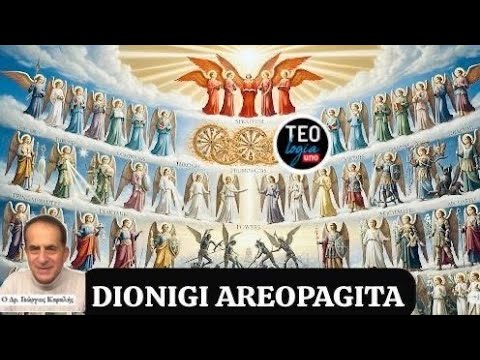
- Dionysius the Areopagite, Celestial Hierarchy VII (5th c. CE): nine angelic hierarchies — Neoplatonic speculation, not revealed data
- Gregory the Great, Hom. Evang. 34: assigns meanings to the three names: Michael ("Who is like God?"), Gabriel ("Strength of God"), Raphael ("Medicine of God")
The result: a living and coherent tradition, but built on an apocryphal expansion of the sober canonical data (Michael = the only explicit archangel; all others = angels with a mission).
Angels in the New Testament: Annunciation, Resurrection, Apocalypse
Angels in the New Testament: From Gabriel to Patmos
The angelic presence in the NT is not decorative but structural: every key moment in the history of salvation involves an angelic mediation. The archangels in the Bible — Michael, Gabriel, Raphael — and the angels more broadly form a heavenly court with precise offices.
| Episode | NT Text | Angelic Function |
|---|---|---|
| Annunciation | Luke 1:26–38 | Gabriel as minister of the Logos — carries the decree of the Incarnation (ἀπεστάλη ὑπὸ τοῦ θεοῦ: aorist passive, passivum divinum — a punctual and irrevocable mandate) |
| Birth at Bethlehem | Luke 2:13–14 | Gloria in excelsis — heavenly liturgy on earth |
| Gethsemane | Luke 22:43 | An angel strengthens Jesus — the humanity of the Son sustained |
| Resurrection | Matt 28:2–7; John 20:12 | Two angels as solemn witnesses of the empty tomb |
| Prayers before the throne | Rev 8:3–4 | Angel with censer carries the prayers before God |
Christ as Kyrios of the Angelic Court: Three Pauline Affirmations
The Pauline writings provide the systematic framework for angelic subordination. For those asking who is angel Michael — or any archangel — Paul's answer is clear: they are creatures whose dignity is real but derivative.
- Origin: all things are created in Christ — "thrones, dominions, principalities, powers" (Col 1:16)
- Subordination: all things are subjected to his lordship (Heb 2:8; 1 Cor 15:27–28). After the temptation, "angels came and ministered to him" (Matt 4:11)
- Ministry: "Are they not all ministering spirits sent out to serve for the sake of those who are to inherit salvation?" (Heb 1:14)
Revelation connects Rev 8:2 with Tob 12:15 — "the seven angels who stand before God" — confirming the heavenly liturgical structure in which Raphael operates. These are spiritual warfare scriptures in their deepest sense: not manual for human fighting techniques but revelation of the angelic-priestly intercession that undergirds all prayer (Eph 6:18). Cyril of Jerusalem (Cat. 2.4): the devil was "above the ranks of angels" before the fall — the title archangel does not guarantee holiness; angelic freedom is real and consequential.
Guardian Angels: Biblical Foundation and Tradition
The Scriptural Foundation for Guardian Angels
The doctrine of guardian angels — including the individual guardian angel — is not a pious popular tradition: it emerges from a structured convergence of biblical, Qumranic, and rabbinic sources that attest its reality within the God–humanity relationship in Second Temple literature.
| Text | Angelic Function | Tradition |
|---|---|---|
| Ps 91:11–12 | "He will command his angels to guard you" | OT — conditional promise |
| Matt 4:6 | Satan quotes Ps 91 to tempt Jesus | NT — temptation as abuse |
| Matt 18:10 | "Their angels in heaven always see the face of my Father" | NT — direct access (parresia) |
| Acts 12:15 | "It is his angel" (Peter released) | NT — heavenly Doppelgänger |
| Heb 1:14 | "Ministering spirits sent to serve" the heirs of salvation | NT — ministerial function |
| Shabbat 119b | Angels of peace and affliction accompany | Rabbinic — every Friday evening |
The Dead Sea Scrolls (1QS 3:20–24) develop the polarity between the sar ha-or (prince of light) and the sar ha-choshekh (prince of darkness): every member of the community has a protective guardian angel and an adversary. Midrash on Sanhedrin 59b recalls that even Adam in the Garden of Eden was ministered to by angels — angelic guardianship as an original dimension of the human creature, not reserved for the saints.
The Distinction That Avoids Two Opposite Errors
On this scriptural basis, guardian angels and angelic protection must be understood while avoiding a double distortion — the same double distortion that Ephesians' spiritual warfare scriptures implicitly guard against (Eph 6:10–18):
- Error of deficiency — denying any angelic guardianship, reducing Providence to an impersonal natural law. This contradicts Matt 18:10 and Acts 12:15.
- Error of excess — treating the guardian angel as an automatic amulet or autonomously invokable entity, disconnected from relationship with God. This is the temptation Satan proposes by citing Ps 91.
Jesus corrects the second error with Deut 6:16: "Do not put the Lord your God to the test." Parresia toward the Father activates protection — not devotion directed to the angel.
Origen (Homily on Numbers 20) articulates the synthesis: every person has an angel of light and an angel of adversity; baptism strengthens the angel of light. Basil of Caesarea (Homily on Psalm 33) comments on Ps 34:7 — "The angel of the Lord encamps around those who fear him" — as continuous, personal, and real guardianship, linked to relationship with God, not to autonomous devotional practices.
Frequently Asked Questions
What does 'archangel' mean, and which angels have this title in the Bible?
The Greek term archangelos is explicitly applied to Michael in only two canonical texts: Jude 9, where he appears as 'Michael the archangel' contending with the devil over the body of Moses, and 1 Thess 4:16, where 'the voice of the archangel' accompanies the Parousia. Neither Gabriel nor Raphael receives this title in the canonical Scriptures. In 1 Enoch 9:1, the title is extended to four angels (Michael, Gabriel, Raphael, Uriel), but this classification belongs to intertestamental literature, not to canonical revelation.
What is the role of the archangel Gabriel in the Bible?
Gabriel (Hebrew: גַּבְרִיאֵל, 'man of God' or 'strength of God') appears in Daniel 8:16 and 9:21 as the interpreter of prophetic visions, and in Luke 1:19 as the messenger of the announcement to Zechariah. In Luke 1:26–38 he announces the Incarnation to Mary of Nazareth — carrying the divine decree with an aorist passive mandate (passivum divinum). His function is strictly that of the mal'akh: a divine messenger with a specific mandate, not an independent figure of devotion.
Who is Raphael the archangel, and where does he appear in the Bible?
Raphael (Hebrew: רָפָאֵל, 'God heals') appears in the Book of Tobit as guide and healer: he accompanies Tobias on his journey (Tob 5:4–6), heals the blindness of Tobit, and binds the demon Asmodeus (Tob 3:17; 8:3). In Tob 12:15, he reveals himself as 'one of the seven angels who stand before the glory of the Lord.' The Book of Tobit is deuterocanonical but offers the most detailed profile of angelic ministry in the Bible.
How many archangels are named in the Bible, and where?
Only two angels receive a proper name in the canonical Scriptures: Michael (Dan 10:13; Jude 9; Rev 12:7) and Gabriel (Dan 8:16; Luke 1:19). Raphael appears in the deuterocanonical Book of Tobit (Tob 12:15). The names of other archangels — Uriel, Saraqael, Remiel — appear in 1 Enoch (chapters 9–10) and the Book of Jubilees, intertestamental texts not included in the Hebrew canon nor in the majority of Christian canons.
What is the biblical basis for guardian angels?
The doctrine of individual guardian angels rests on three key texts: Psalm 91:11–12 ('He will command his angels to guard you'), Matthew 18:10 ('their angels in heaven always see the face of my Father'), and Acts 12:15, where the disciples suggest that Peter is represented by his personal angel. The rabbinic tradition in Shabbat 119b attests the belief in accompanying angels, and the Qumran Community Rule (1QS 3:20–24) articulates the polarity between an angel of light and an angel of darkness assigned to every individual.
How do guardian angels differ from other angels in the Bible?
The distinction between guardian angels (with a permanent mandate over a person or nation) and occasional messengers emerges from differing terminology. The mal'akh (messenger) is sent for a specific, limited task (Gen 19:1; Exod 23:20), while the 'holy ones' and 'watchers' in Daniel 4:10, 14, 20 designate angels with a permanent supervisory role. Hebrews 1:14 synthesizes: 'ministering spirits sent out to serve for the sake of those who are to inherit salvation' — guardianship is a form of continuous angelic λειτουργία (diaconal service).
Related Videos

Angelologia e Demonologia: la Corte Angelica
Diretta: Dionigi Areopagita

Un Sacerdote Santo ... ma Solo Lui ...

La Corte Celeste. Parte Seconda
La Corte Celeste Prima Parte

Un Mare di Rivelazioni

TEOLOGIA/7 Apocalisse n.49

Angelologia e Demonologia N. 36. a Servizio dell'Uomo: la Presenza Angelica nei Vangeli. Intro.
Bibliography
Biblical sources
Rabbinic sources
- Mishnah Chagigah 2:1
- Chagigah 16a
- Sotah 33a
- Sanhedrin 59b
- Shabbat 119b
- 1QS 3:20-24
Patristic sources
- Origene
- Basilio di Cesarea
Video sources
- Angelologia e Demonologia: la Corte Angelica
- Diretta: Dionigi Areopagita
- Un Sacerdote Santo ... ma Solo Lui ...
- La Corte Celeste. Parte Seconda
- La Corte Celeste Prima Parte
- Un Mare di Rivelazioni
- TEOLOGIA/7 Apocalisse n.49
- Angelologia e Demonologia N. 36. a Servizio dell'Uomo: la Presenza Angelica nei Vangeli. Intro.
- Figli di Erode (7 Puntata)
- Soteriologia: Alleanza e Salvezza (B)
- Angelologia e Demonologia. Angeli e Malattie
- Angelologia e Demonologia N. 47. la Figura del Satan nel Libro di Giobbe. (Da Telegram Live)
- Partorirai un Figlio
- La Vita Vince sulla Morte
- La Croce
- TEOLOGIA/7 Apocalisse. 11
- Angelologia e Demonologia. Angeli Ministranti Traduttori.
- Parliamo di Gesu'
- Il Culto. Le Origini Parte Prima
- Il Mio Angelo: Malachi'
- Angelologia e Demonologia. Il Pane degli Angeli
- L'Io Sono Seconda Parte
- Cristologia Primitiva Advance: Open. la Figura di Cristo nell'AT Secondo i Padri Latini
- Teologia Donna: il Ruolo della Donna nel Vangelo di Luca
- Teologia/7 Apocalisse. 21 la Grande Liturgia Celeste
- TEOLOGIA/7 Apocalisse. 20 la Struttura "Segreta" dell'Apocalisse
Biblical angelology — from the semantics of the mal'akh to the functions of the Watchers in Daniel, from the individual guardian angel of Matt 18:10 to the rabbinic doctrine of the two angels that accompany every person (Shabbat 119b) — forms a coherent system of mediation subordinate to YHWH, not a parallel pantheon. The archangels in the Bible — Michael, Gabriel, and Raphael — exercise precise offices within this divine economy: cosmic combat (Dan 10:13), prophetic announcement (Luke 1:26–38), guardianship and healing (Tob 12:15). Understanding this structure protects against two opposite distortions: reducing angels to psychological metaphors, or transforming angelic guardianship into magical devotion disconnected from relationship with God.
The biblical names themselves point the way: Michael ("Who is like God?"), Gabriel ("Strength of God"), Raphael ("God heals") — every name a confession of faith, not a rival divine title. The archangel is not an object of devotion in itself but a witness to the sovereignty and care of the One who sends him. To encounter the angels of Scripture is, above all, to encounter the God who commands them.