Heavenly Messengers: Angels as Messengers of God in the Bible
Thematic Summary
The heavenly messengers of the Bible are designated by the Hebrew malakh (מַלְאָךְ) and Greek angelos (ἄγγελος) — both meaning 'messenger' — a term that in Scripture applies equally to divine envoys and human couriers. The malakh YHWH ('angel of the Lord') represents the most theologically significant angelophany: a divine messenger who speaks with the authority of God himself (Gen 16:7–13; Exod 3:2–6; Judg 6:11–24). In Genesis 18, the three visitors at Mamre who announce Isaac's birth demonstrate the full range of angelic function — divine speech, human hospitality, eschatological mission. The Psalms situate angels within the divine council (Ps 82:1; 89:8). By the Second Temple period, angelology developed significantly, with 1 Enoch 20 naming seven archangels, and Tobit identifying Raphael as 'one of the seven holy angels who present the prayers of the holy ones' (Tob 12:15).
Malakh YHWH: The Biblical Meaning of Heavenly Messenger
The Term Malakh: Origin and Semantic Ambivalence
The heavenly messengers of the Bible are designated with the Hebrew term מַלְאָךְ (malakh) — «sent one», «messenger» — the same root used for human couriers sent by Abraham, Jacob, or the kings. What distinguishes the divine malakh is not the word itself, but the grammatical context: when the messenger speaks using the Tetragrammaton YHWH in the first person, a unique identity fusion occurs unparalleled in ancient literature (Gen 16:7; Gen 22:11; Exod 3:2). The messenger does not merely transmit the word of God: he bears the Name, acting with full divine authority (Exod 23:21 — «my Name is in him»).
The Psalms confirm the angelic creation: «he makes the winds his messengers, flaming fire his ministers» (Ps 104:4) — angels are created spirits, not autonomous divine hypostases. This distinction is foundational for understanding the malakh bibbia (biblical messenger) without slipping into the angel worship prohibited by the Torah (Exod 20:3–4).
Foundational Angelophanies: Three Key Texts
The angelophanies of the Old Testament display a structural oscillation — not a redactional one — between angelic and divine identity:
- Gen 16:7: the malakh YHWH finds Hagar at the well of Beer-lahai-roi; she responds speaking to YHWH directly
- Gen 22:11: the malakh YHWH calls Abraham from heaven; he speaks in the first person as YHWH (v. 12: «you have not withheld [him] from me»)
- Exod 3:2–4: the malakh appears in the burning bush, but it is YHWH who speaks with Moses (Exod 3:4) — the text does not correct the overlap
Comparison of Interpretive Traditions
| Tradition | Source | Identification of Malakh | Function |
|---|---|---|---|
| Hebrew text (MT) | Gen 16:7; Exod 3:2 | Distinct but fused with YHWH | Mediated theophany |
| Dead Sea Scrolls | DSS Malachi 3:1–2; 11Q13 | Separate figure (Adon ≠ malakh) | Covenant messenger |
| Targum (Onkelos, Jonathan) | Gen 1:3; Gen 3:8 | Memra of YHWH (distinct from malakh) | Creative and verbal mediation |
| Christian tradition (NT) | John 1:1–3; Col 1:15–17 | Pre-incarnate Logos | Proleptical Christophany |
The Targumic tradition introduces a rigorous distinction: the Memra («Word») of YHWH in Targum Onkelos (Gen 1:3 — «The Memra of YHWH said») and in Targum Jonathan (Gen 3:8 — «they heard the voice of the Memra of YHWH») performs functions analogous to the malakh — creative mediation, speech to human beings, visible manifestation — but constitutes a parallel interpretive tradition and must not be conflated with the Hebrew malakh.
The Three Messengers to Abraham (Genesis 18)
The Three Visitors at Mamre: Identity and Narrative Structure
The angels of Genesis 18 — the scene of the three visitors at the oaks of Mamre — is the richest angelophanic text in the entire Torah. The three figures (אֲנָשִׁים, anashim — «men») are received with maximum ritual hospitality: meat, bread, and milk (Gen 18:6–8). The text operates a deliberate identity progression: the visitors are «men» (Gen 18:2), then «angels» (Gen 19:1), while one speaks as YHWH himself (Gen 18:13 — «The Lord said: Why did Sarah laugh?»).
Among the three angels to Abraham, functions are rigorously distinguished. The rabbinic tradition (Bereshit Rabbah 48:9; Targum Pseudo-Jonathan Gen 18:2) identifies: Michael announces the birth of Isaac, Gabriel brings the verdict upon Sodom, Raphael heals Abraham from his circumcision. The principle is fixed in the Talmud Bava Metzia 86b: «An angel cannot perform two missions simultaneously».
Sacred Hospitality: Hakhnasat Orchim as Encounter with the Divine
The meeting at Mamre grounds the precept of hakhnasat orchim. The Talmud Shabbat 127a teaches that «welcoming guests is equivalent to receiving the Shekhinah» — Abraham's hospitality becomes the paradigm of the encounter with divine presence mediated through heavenly messengers. The New Testament cites this explicitly: «Do not neglect to show hospitality to strangers, for thereby some have entertained angels unawares» (Heb 13:2 — τοὺς ἀγγέλους).
Interpretive Traditions Compared
| Tradition | Source | Identification | Function |
|---|---|---|---|
| Rabbinic | Bereshit Rabbah 48:9 | Michael, Gabriel, Raphael | Announcement, verdict, healing |
| Targum | Pseudo-Jonathan Gen 18:2 | Three named angels | Narrative mediation |
| Early Christian (NT) | John 1:14; Heb 1:1–2 | Incarnate Logos | Proleptical Christophany |
| Patristic (Irenaeus) | Adversus Haereses 4.10.1 | Abraham sees the Son | Anticipation of the Incarnation |
The Trinitarian identification of the three visitors (Augustine, De Trinitate 2.10–11) is problematic: Gen 18:22 — «the two angels went toward Sodom, but Abraham still stood before the Lord» — a separation of persons that would contradict perichoretic unity.
The Heavenly Messengers at Sodom (Genesis 19)
From Mamre to Sodom: The Identity Transition
Genesis 19:1 — «The two angels (מַלְאָכִים, malakhim) arrived at Sodom in the evening, while Lot was sitting in the gate» — closes the narrative structure opened in chapter 18. The three visitors at Mamre had separated: YHWH remained with Abraham (Gen 18:22), while the two proceeded toward Sodom. Those who had been «men» (Gen 18:2) are now explicitly angels at Sodom — the identity progression is deliberate.
The function of the two angels in Genesis at Sodom is threefold (Gen 19:1–29):
- Verification: sent to ascertain the «outcry» that had risen up to YHWH (Gen 18:20–21)
- Execution of judgment: «YHWH has sent us to destroy it» (Gen 19:13)
- Salvation of the righteous: they urge Lot to flee before the execution (Gen 19:15–16)
The men of Sodom surrounded Lot's house in a hostile mob, demanding that the visitors be handed over (Gen 19:4–11) — their violence confirming the «outcry» (Gen 18:20) that had reached YHWH. This assault, more than sexual transgression, represents the systematic rejection of hakhnasat orchim as a civic institution.
Lot's Hospitality as the Condition of Salvation
The parallel with Abraham is structural: Lot insists on welcoming the two angels (Gen 19:2–3) and prepares a banquet — the same dynamic as Abrahamic hospitality. Bereshit Rabbah 50:4 discusses Lot's virtue in hakhnasat orchim despite Sodom's corrupt environment. The Talmud Sanhedrin 109a defines the «din Sodomim» (law of Sodom) as the systematic refusal of hospitality and justice toward the poor.
The New Testament takes up the episode as an eschatological type: «Likewise, just as it was in the days of Lot... on the day when Lot went out from Sodom, fire and sulfur rained from heaven» (Gen 19:24–25; cf. Luke 17:28–30). Lot is explicitly called «righteous» in 2 Pet 2:7.
Comparison of Traditions on Angelic Judgment
| Tradition | Source | Role of Angels | Sin of Sodom |
|---|---|---|---|
| Biblical text | Gen 19:1–29 | Verification + execution + salvation | Hostility toward strangers (18:20) |
| Rabbinic | Sanhedrin 109a | Instruments of divine judgment | Din Sodomim: refusal of justice |
| Christology (NT) | John 12:48; Rev 14:10–11 | Divine judgment mediated by the Logos | Prefiguration of eschatological judgment |
| NT | Luke 17:28–30; 2 Pet 2:6–7 | Divine judgment with salvation of the righteous | Type of the eschatological return |
Messengers in the Prophetic Tradition
In the prophetic texts, the angelic messengers of the biblical prophets manifest in three distinct figures with non-overlapping theological functions: seraphim as guardians of holiness (Isa 6:1–7), hayot as the structure of the divine chariot (Ezek 1:1–28), and nominal archangels as historical mediators (Dan 8–12).
Seraphim and Trisagion: The Liturgy of Holiness in Isaiah 6
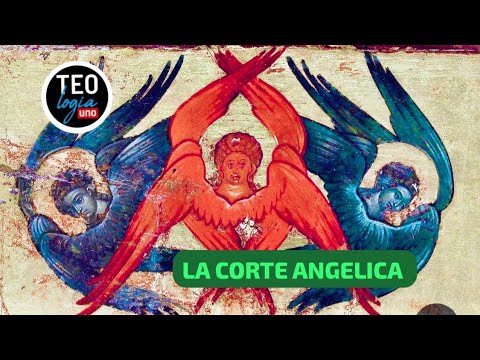
The seraphim (שְׂרָפִים, serafim — «the burning ones»), angelic messengers of the Old Testament biblical tradition, appear in Isaiah's inaugural vision as guardians of divine holiness, not as historical messengers. Six wings each — two to cover the face, two the feet, two for flight (Isa 6:2) — and the liturgical trisagion: «Kadosh, Kadosh, Kadosh YHWH Sabaoth, the whole earth is full of his glory» (Isa 6:3). The function is sacerdotal-adorative: one of the seraphim purifies Isaiah's lips with a live coal from the altar before the prophetic mission (Isa 6:6–7). The Jewish tradition recognizes the seraphim as real beings of the heavenly court, not literary allegories. The juridical functioning of the celestial court (beit din shel ma'alah) emerges in Job 1:6 — ha-Satan presents himself as ha-kategor (the angelic accuser) before YHWH — and in Zech 3:1: the Accuser «at the right hand of the high priest to accuse him». The Talmud (b. Rosh Hashanah 16b) confirms: ha-Satan brings his accusations against Israel before the heavenly court — the sound of the shofar is designed to «confound ha-Satan» in the very act of accusation. The malakh is not merely a messenger: he is an officer of a celestial juridical-liturgical system. The halakhah prohibits public speculation about the intimate nature of angels (Mishnah Chagigah).
Hayot and Merkavah: The Chariot Creatures in Ezekiel 1
The vision of the divine chariot (Ezek 1:1–28) describes the חַיּוֹת (hayot, «living creatures»): four beings with four faces (human, lion, ox, eagle) and the interlocking wheels (ofanim) — a figure distinct from the messenger angelophanies of Genesis. The prophetic angels in Ezekiel assume a cosmological function: to carry the throne of YHWH (Ezek 1:26–28), not to transmit messages to individual persons. The New Testament tradition rereads the Old Testament chariot theophanies in the light of the incarnate Logos (John 1:1–3; Col 1:15–17), recognizing in the glory of YHWH borne by the hayot an anticipation of the fullness revealed in Christ. Ezekiel 1 describes the hayot without speculating about their intimate nature — the halakhic tradition preserves this silence as a norm (Mishnah Chagigah, tractate on the restrictions regarding the merkavah).
Gabriel and Michael: The First Nominal Angelology in the Canon
Daniel introduces the only archangels named in the Hebrew canon. Gabriel (גַּבְרִיאֵל, «strength of God») interprets the vision of the ram (Dan 8:15–17) and announces the «seventy weeks» (Dan 9:21–24). Michael (מִיכָאֵל, «who is like God?») is «one of the chief princes» who appears in human form to Daniel (Dan 10:5–6) before revealing himself as the one who fights for Israel (Dan 10:13) and «the great prince who protects your people» (Dan 12:1). The prophetic angels in the books of Daniel have distinct and non-interchangeable functions: Gabriel is interpreter of visions, Michael is eschatological protector — both servants of YHWH, not co-regents with independent authority.
Angelological Progression in the Canonical Prophets:
- Seraphim (Isa 6): liturgical adoration and purification of divine holiness
- Hayot/Ofanim (Ezek 1): cosmic structure of the divine chariot (merkavah)
- Gabriel (Dan 8–9): hermeneutical mediation of prophetic visions
- Michael (Dan 10, 12): eschatological protection of the people of Israel
| Figure | Text | Primary Function | Designation |
|---|---|---|---|
| Seraphim | Isa 6:2–3 | Adoration + liturgical purification | Guardians of holiness |
| Hayot/Ofanim | Ezek 1:1–28 | Structure of the divine throne | Cosmological figures |
| Gabriel | Dan 8:15–17; 9:21–24 | Interpretation of visions | «Strength of God» |
| Michael | Dan 10:13; 12:1 | Eschatological protection | «Great prince» |
Heavenly Messengers in the New Testament
The heavenly messengers in the New Testament introduce no new angelology: the angels of the New Testament continue the Old Testament functions of announcement (Luke 1:26–38), protection (Acts 12:7–11), and cosmic praise (Luke 2:9–14), now in service of the messianic fulfillment, as ministering spirits sent «to serve those who are to inherit salvation» (Heb 1:14).
Gabriel in the Annunciation: From Danielic Prophecy to Fulfillment
Gabriel — identified in Daniel as interpreter of eschatological visions — is sent by God (ἀπεστάλη ὁ ἄγγελος Γαβριὴλ ἀπὸ τοῦ θεοῦ — aorist passive: passivum divinum, God's commission as a punctual and definitive act, not generically delegated) to Nazareth to announce the Incarnation of the Logos (Luke 1:26–38). The heavenly messengers of the Bible here realize the fulfillment of the «seventy weeks» of Dan 9:21–24: the same angel, the same hermeneutical function, now in fulfillment. The Torah was transmitted through the ministry of angels at Sinai (Acts 7:38: «in the assembly in the wilderness with the angel who spoke to him at Mount Sinai») — angelic mediation confirmed by Paul in Gal 3:19 («ordained through angels»).
The Heavenly Host and the Angel of the Resurrection
In Luke 2:9–14, «an angel of the Lord» (ἄγγελος κυρίου) appears to the shepherds and a multitude of the heavenly host of Adonai Tzevaot praises God: a doxological, not military, function. The New Testament angels maintain the classical function of messengers: the angel of the Resurrection descends from heaven, rolls away the stone, and sits upon it (Matt 28:2–5: ἄγγελος γὰρ κυρίου καταβὰς ἐξ οὐρανοῦ ἀπεκύλισε τὸν λίθον). Peter is freed from prison by an angel (Acts 12:7–11: ἄγγελος κυρίου ἐπέστη, καὶ φῶς ἔλαμψεν ἐν τῷ οἰκήματι) — concrete salvific mediation.
Ministering Spirits: The Angelological Theology of Hebrews
The Letter to the Hebrews systematizes the role of the heavenly messengers: «Let all God's angels worship him» (Heb 1:6 — the angels render worship to the incarnate Son), and the definitive rhetorical question: «Are they not all ministering spirits sent out to serve for the sake of those who are to inherit salvation?» (Heb 1:14). Angels in NT angelology are λειτουργικὰ πνεύματα — spirits of formal liturgical service (λειτουργικά = institutional public service, vs. private διακονία; root leitourgia = service to the demos), subordinate to the Logos, not co-regents. The participle ἀποστελλόμενα (Heb 1:14) is present tense: continuative service, not exhausted in a single commission. The same apostolic-sending pattern (shaliach principle) underlies Jesus commissioning the Twelve «two by two» (Mk 6:7) — human heralds of the Kingdom operating under the same divine economy as heavenly messengers.
The parable of the faithful steward placed over the household (Mt 24:45) applies the same logic of commissioned service to human agents, anchoring angelic and human ministry in a unified divine economy of the shaliach.
Angelic Functions in the NT:
- Gabriel (Luke 1:26–38): announcement of the Incarnation — fulfillment of Dan 9:21–24
- Host of Adonai Tzevaot (Luke 2:9–14): cosmic praise to the incarnate God
- Angel of the Resurrection (Matt 28:2–5): announcement of the Risen One to the disciples
- Protecting angel (Acts 12:7–11): concrete liberation of Peter from prison
- Ministering spirits (Heb 1:14): service to those who inherit salvation
| Function | OT | NT | Key Text |
|---|---|---|---|
| Messianic announcement | Gabriel (Dan 9:21) | Gabriel (Luke 1:26) | Fulfillment |
| Cosmic praise | Seraphim trisagion (Isa 6:3) | Host of Adonai Tzevaot (Luke 2:13) | «Glory in the highest» |
| Mediation of the Law | Sinai (Exod 19–20) | «through angels» (Gal 3:19) | Continuity |
| Protection | Raphael (Tob), angels | Angel of Peter (Acts 12:7) | Salvific ministry |
| Intercession | Ha-Satan/Kategor (Job 1:6) | Martyrs under the altar (Rev 6:9–11) | Heavenly court |
Frequently Asked Questions
What is the meaning of the Hebrew term malakh and how does the angelic messenger differ from the malakh YHWH?
The Hebrew term מַלְאָךְ (malakh, 'sent one, messenger') designates both human couriers and heavenly figures sent by God — the same root serves for both (Gen 16:7; Exod 3:2). The malakh YHWH is a figure with a peculiar identity oscillation: he speaks in the first person as YHWH himself, yet is distinct from him — a phenomenon interpreted christologically as a Christophany of the pre-incarnate Logos (Justin Martyr, Dialogue with Trypho 59–60).
How many wings do the seraphim in Isaiah 6 have, and what is their liturgical function in the heavenly court?
The seraphim (שְׂרָפִים, serafim — 'the burning ones') described in Isa 6:2 have six wings: two to cover the face, two the feet, and two for flight. Their function is not that of messengers but of liturgical adoration: they sing the trisagion 'Kadosh, Kadosh, Kadosh YHWH Sabaoth' (Isa 6:3), and one of them purifies Isaiah's lips with a live coal from the altar before the prophetic mission (Isa 6:6–7). Jewish tradition prohibits public speculation about their intimate nature.
How does the Talmud identify the three angelic visitors to Abraham at Mamre in Genesis 18 and what was each one's function?
The Midrash Bereshit Rabbah 50:2 identifies the three visitors at Mamre (Gen 18:2) as Michael, Gabriel, and Raphael. According to Bava Metzia 86b, each angel can perform only one mission: Michael announces the birth of Isaac, Gabriel is sent to destroy Sodom, Raphael heals Abraham from his circumcision. The pericope introduces the halakhic principle of hakhnasat orchim (welcoming guests) as equivalent to receiving the Shekhinah (Shabbat 127a).
Which are the first named angels in the Hebrew canonical scriptures and in which books do they appear?
The first named angels in the Hebrew canon are Gabriel (גַּבְרִיאֵל, 'strength of God') and Michael (מִיכָאֵל, 'who is like God?'), both in the book of Daniel. Gabriel interprets the vision of the ram in Dan 8:15–17 and announces the seventy weeks in Dan 9:21–24. Michael is presented as 'one of the chief princes' (Dan 10:13) and 'the great prince who protects your people Israel' (Dan 12:1). Named angelology represents a significant innovation of the Second Temple period.
How does the New Testament use the figure of Gabriel from the Old Testament prophetic tradition?
Gabriel appears in the NT as the direct continuation of the Danielic Gabriel: he is sent by God (ἀπεστάλη ὁ ἄγγελος Γαβριὴλ ἀπὸ τοῦ θεοῦ — aorist passive: passivum divinum, God's commission as a punctual and definitive act) to Nazareth to announce the Incarnation of the Logos to Mary (Luke 1:26–38). This fulfillment is theologically significant: Gabriel had announced the 'seventy weeks' in Dan 9:21–24, and the Annunciation constitutes their messianic fulfillment. The OT–NT continuity manifests in the same angel who both interprets and realizes the prophecy.
What is the theological function of angels according to the Letter to the Hebrews and how do they relate to the incarnate Son?
The Letter to the Hebrews offers the most explicit angelological systematization in the NT: the angels worship the Son ('Let all God's angels worship him,' Heb 1:6) and are λειτουργικὰ πνεύματα — ministering spirits sent to serve 'those who are to inherit salvation' (Heb 1:14). This hierarchy is Christologically decisive: the angels, while mediators in the OT (the Torah transmitted through the ministry of angels, Acts 7:38; Gal 3:19), are subordinate to the incarnate Logos — not co-regents, nor objects of worship.
Related Videos

Quaestiones N. 90 le Quattro Notti della Salvezza

SICHAR seconda parte

Soteriologia. 1 Qh: il Nezer e il Giardiniere del Pardes. Inni 5Nta Parte

Un Sacerdote Santo ... Ma Solo Lui ...

Profeti e il Profetismo. 12Esima e Ultima Parte Geremia
La Corte Celeste. Parte Seconda
![[Video non disponibile]](https://img.youtube.com/vi/I8vZ9R9VpaI/hqdefault.jpg)
[Video non disponibile]

Ci Salviamo Dalla Sentenza?
Bibliography
Biblical sources
Rabbinic sources
Patristic sources
- Giustino Martire, Dialogo con Trifone 59-60
- Ireneo, Adversus Haereses 2.30.3-4
- Cirillo di Gerusalemme, Catechesi
Video sources
- Quaestiones N. 90 le Quattro Notti della Salvezza
- SICHAR seconda parte
- Soteriologia. 1 Qh: il Nezer e il Giardiniere del Pardes. Inni 5Nta Parte
- Un Sacerdote Santo ... Ma Solo Lui ...
- Profeti e il Profetismo. 12Esima e Ultima Parte Geremia
- La Corte Celeste. Parte Seconda
- [Video non disponibile]
- Ci Salviamo Dalla Sentenza?
- Il Culto. le Origini Parte Prima
- Un Mare di Rivelazioni
- Visitare I Giusti
- Soteriologia: Alleanza e Salvezza (B)
- Soteriologia: 9 Puntata Dottrina Rabbinica Ed Evangelo
- Angelologia e Demonologia N. 38: gli Angeli in Luca Cap. 2.
- Le Teofanie Dell'at in Cirillo di Alessandria
- Diretta: Dionigi Areopagita
- Profeti e il Profetismo. Michea 6 Puntata
- TEOLOGIA / 7 Apocalisse n. 49 Integrazione cap. 20: la prima resurrezione
- Angelologia e Demonologia N. 56: Angeli Custodi?
- Format Terza Parte Intervista
- TEOLOGIA/7 Apocalisse n. 52. Ultima puntata.
- Quale la fede di Abramo?
- Quale Regno?
- Puro O Impuro
- CRISTOLOGIA PRIMITIVA. Lezione 2. I nomi di Dio
- INTRODUZIONE AI CORSI. Genesi 2,4-7 prima parte : puntata 14.
- Angelologia e Demonologia: Angeli Custodi Prima Parte
- Diretta Pentecoste
- Angelologia e Demonologia: la Corte Angelica
- Offri' Preghiere e Suppliche e Fu Esaudito
- UN SOGNO? FORSE ... si ... forse.
- Una Lettura Interessante
- Angelologia e demonologia. Lez. n. 5: Le radici della demonologia nella Torah e in Isaia.
- ANGELOLOGIA E DEMONOLOGIA. Lez. 11. Chi sono gli spiriti? PRIMA PARTE
- ANGELOLOGIA E DEMONOLOGIA. Lez. 11/3. Chi sono gli spiriti? TERZA PARTE
- La Divina Liturgia: la Domenica 7 Settima Parte (B)
- TEOLOGIA /11 Curiosita n.12 IL DIO OSCURO
- Angelologia e Demonologia N. 26 Chi E' il Cherubino Decaduto? Ez 28 Terza Parte
- Domande a Raffica: lo Spirito Come Opera?
- Elia Elia Elia Ed Elia
- Una Vera e Propria Bolla
- ANGELOLOGIA E DEMONOLOGIA. Lez. 10. Il demone Abbadon o Apollion
- Spirito Pitone
- Che Tipo di Preoccupazione? (Discorso Programmatico di Gesu Secondo Matteo: 14 Esima Puntata).
The heavenly messengers of the Bible — from the seraphim of Isaiah's divine court to the three visitors at Mamre, from the nominal archangels of Daniel to the ministering spirits of Hebrews 1 — are not interchangeable mythological figures but beings with theologically distinct functions: announcement, protection, mediation of revelation (Ps 104:4; Dan 12:1; Heb 1:14). Understanding angels as messengers of God means grasping an economy of revelation that culminates in Christ. The thread that runs through the entire biblical tradition is Christological: the identity fusion of the malakh YHWH in the Old Testament angelophanies prefigures the Logos who in Jesus of Nazareth manifests himself in definitive, no longer mediated form (Luke 1:26–38; Heb 1:6). The God who draws near does not abolish the heavenly messengers but brings them to fulfillment in the incarnate Logos — from Mamre to Pentecost, every angelic mission was a preparation for the one who would come not as messenger but as Word made flesh, dwelling among us (John 1:14).